What Is Botox and How Does It Work?
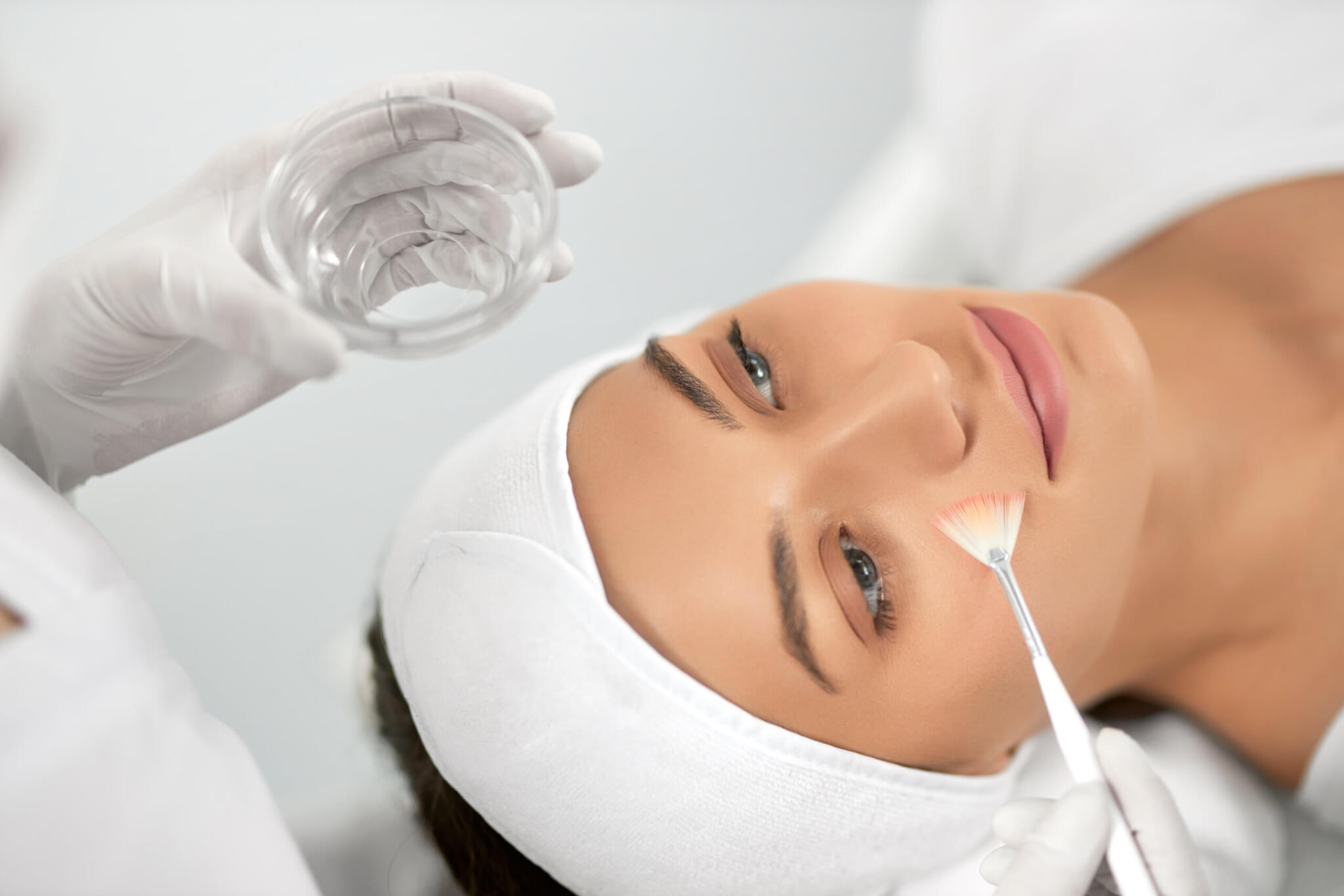
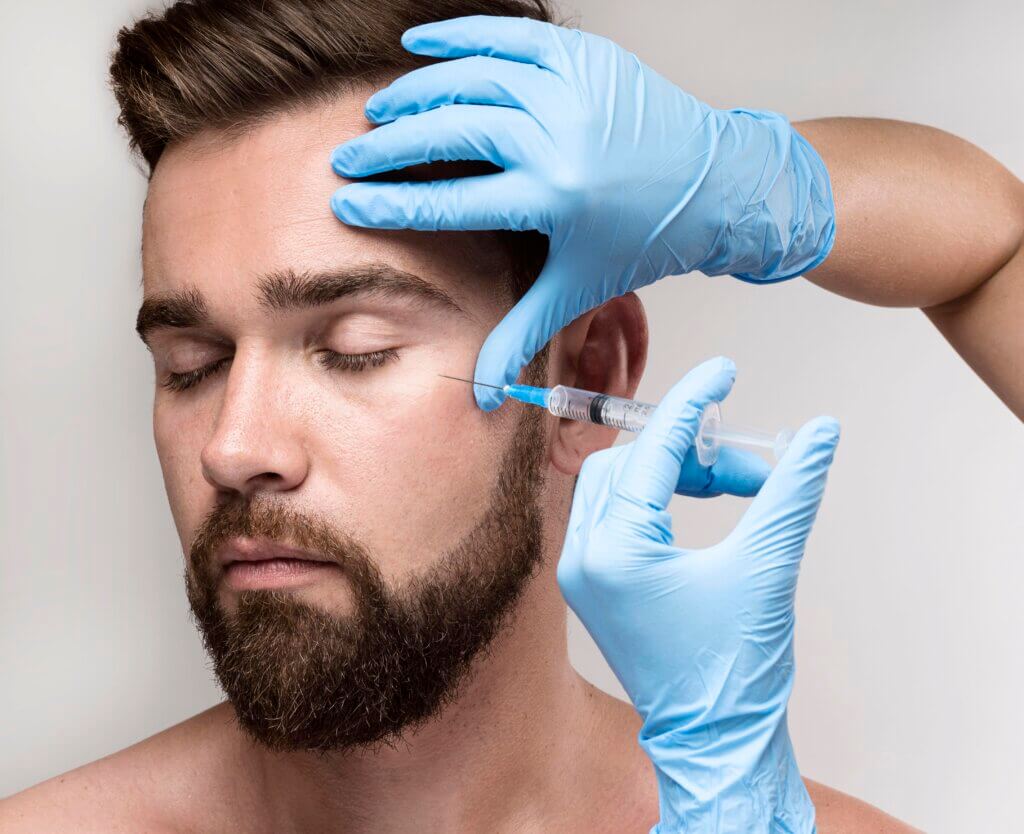
Botox, short for botulinum toxin, is a neurotoxin derived from the bacterium Clostridium botulinum. When injected in small, controlled doses, it temporarily paralyzes muscles, reducing the appearance of fine lines and wrinkles, particularly on the forehead, around the eyes (crow’s feet), and between the brows. Approved by the FDA for cosmetic use since 2002, Botox is also used medically to treat conditions like chronic migraines, excessive sweating, and muscle spasms.
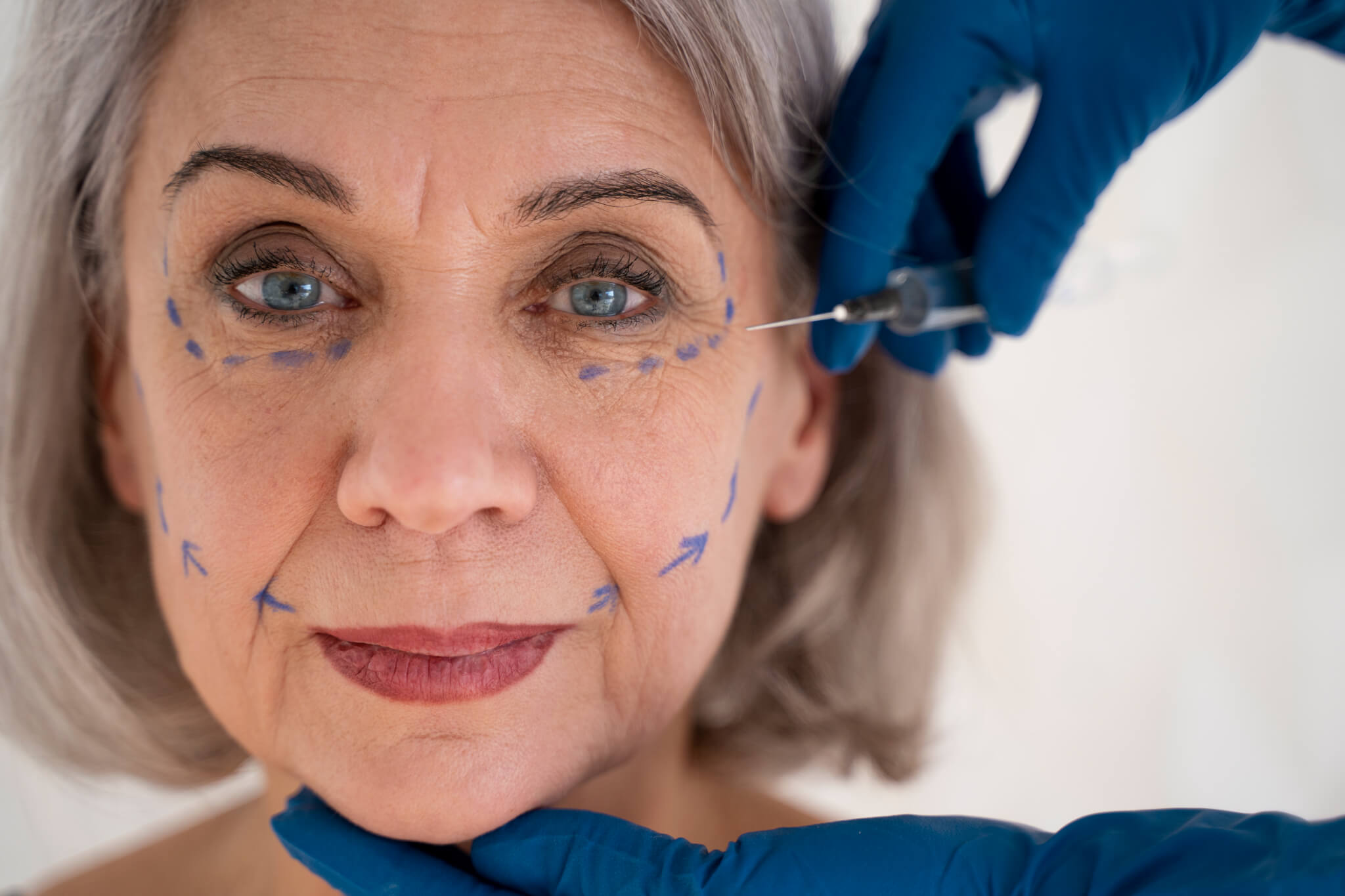
The procedure itself is quick—typically lasting 10-15 minutes—and involves a series of small injections using a fine needle. Results appear within a few days and last 3-6 months, depending on factors like dosage, injection site, and individual metabolism. When performed by a qualified professional using authentic products, Botox is generally safe with minimal downtime. However, the key word here is “authentic.” Counterfeit or improperly handled Botox can turn this routine treatment into a nightmare.
According to health authorities, genuine Botox is manufactured under strict regulations by companies like Allergan (now part of AbbVie). It requires refrigeration and precise dilution before use. Cheap alternatives often bypass these standards, leading to contamination or incorrect potency. This sets the stage for serious complications, as we’ll discuss next.
The Appeal of Cheap Botox: Why Do People Fall for It?
In a cost-conscious world, it’s easy to see why cheap Botox appeals to so many. Standard treatments from reputable clinics can range from $300 to $600 per session, depending on the area treated and the provider’s expertise. Discounted options, sometimes as low as $99 for multiple areas, pop up on platforms like Instagram, Facebook Marketplace, or even at “Botox parties” in homes or salons. These deals target budget-savvy consumers, promising “the same results without the hefty price tag.”
Social pressure plays a big role too. With celebrities and influencers normalizing cosmetic enhancements, many feel compelled to keep up appearances without breaking the bank. A 2025 survey from the American Society of Plastic Surgeons noted a 15% increase in Botox procedures among millennials, driven partly by affordable access via apps and pop-up clinics. But as enticing as these bargains sound, they often involve corners cut on safety—using expired products, untrained injectors, or fake formulations sourced from unregulated overseas suppliers.
The problem? What seems like a steal can lead to expensive medical bills, emotional trauma, and irreversible damage. Let’s delve into the specific risks.
The Hidden Dangers of Counterfeit Botox
One of the most alarming threats in the world of cheap injections is counterfeit Botox. These fake products mimic the branding of legitimate Botox but contain unknown substances, improper dosages, or contaminants. The CDC has been tracking outbreaks linked to these knockoffs, highlighting how they can cause botulism—a rare but serious illness that affects the nervous system.
In a major investigation closed in mid-2024, the CDC reported 17 cases of harmful reactions across nine states: California, Colorado, Florida, Illinois, Kentucky, New Jersey, New York, Tennessee, and Texas. All victims were women aged 25-67 (median age 43), with 88% seeking cosmetic enhancements. The injections occurred between November 2023 and April 2024, often administered in non-medical settings like homes or spas by unlicensed individuals.
Symptoms mirrored botulism and included blurry or double vision, drooping eyelids, difficulty swallowing, dry mouth, slurred speech, breathing difficulties, fatigue, and generalized weakness. Shockingly, 13 people (76%) required hospitalization, and six (35%) received botulism antitoxin due to fears the toxin had spread systemically. While botulism testing was negative in the seven tested cases, the ordeal underscores the peril of unverified sources.
Counterfeit Botox often originates from illegal online pharmacies or black-market suppliers, where products may be diluted with harmful fillers or stored improperly, leading to bacterial growth. The FDA and state health departments echo the CDC’s warnings: Always verify the product’s authenticity and the provider’s credentials. Ignoring this can result in infections, allergic reactions, or even permanent disfigurement.
Common Side Effects and Complications of Botox Injections
Even with genuine Botox, side effects can occur, but they’re amplified with cheap or mishandled versions. According to the Mayo Clinic, common issues include pain, swelling, or bruising at the injection site, headaches, and flu-like symptoms. These usually resolve within days but can be more severe if the dosage is off or the product is contaminated.
More serious complications arise when the toxin spreads beyond the intended area, a risk heightened by inexperienced injectors. This can cause droopy eyelids (ptosis), uneven smiles, or muscle weakness in unintended spots. Rare but grave side effects include difficulty breathing, swallowing, or speaking—symptoms that demand immediate medical attention. The Cleveland Clinic notes that certain medications, like blood thinners, increase bruising risks, emphasizing the need for a thorough medical history review before treatment.
In counterfeit cases, impurities can trigger infections, scarring, or allergic reactions like hives, itching, or blistering. WebMD warns of potential generalized muscle weakness, double vision, hoarse voice, or trouble forming words, which could indicate botulism spread. An FDA label highlights that while distant toxin spread is rare at recommended doses, it’s a documented concern.
Real-Life Horror Stories: When Cheap Botox Goes Wrong
The statistics are sobering, but personal stories bring the dangers home. Take the case of a woman in Illinois who ended up on a ventilator after receiving fake Botox from an untrained provider. What started as a quest for smoother skin turned into a medical emergency, with symptoms like blurred vision and breathing difficulties requiring intensive care.
In the UK, a mother from Bishop Auckland was among 28 people poisoned by counterfeit injections. She suffered severe reactions after paying less than £150 for a “bargain” treatment, highlighting how low prices often signal red flags. Similarly, Australian reports detail potentially fatal outcomes from backyard Botox using cheap online products.
In Arizona, multiple women shared graphic stories of infections and scarring from discounted injections. One victim described her face as “lumpy and inflamed,” requiring antibiotics and corrective procedures. A UK Daily Mail investigation revealed black-market Botox leaving women with lifelong scars, often from social media advertisers using unauthorized products.
A 2025 This Morning segment in the UK exposed that half of women surveyed needed medical help after botched non-surgical cosmetics, including cheap Botox. These tales aren’t isolated; they reflect a growing trend where cost-cutting leads to catastrophe.
Long-Term Risks: Beyond the Immediate Aftermath
While many side effects are temporary, cheap Botox can cause lasting harm. Repeated exposure to counterfeit toxins may lead to chronic muscle weakness or nerve damage. Scarring from infections can require surgical intervention, and psychological impacts—like anxiety or body dysmorphia from botched results—are common.
PubMed studies link improper Botox use to rare but feared complications like dysphagia (swallowing issues), full-blown botulism, or even death if untreated. Over time, inconsistent treatments can accelerate aging in unintended ways, as uneven muscle relaxation leads to compensatory wrinkles elsewhere.
How to Spot Fake Botox and Unsafe Providers
Avoiding risks starts with vigilance. Red flags include prices significantly below market rate (e.g., under $10 per unit), treatments in non-medical settings like homes or parties, and providers without visible credentials. Genuine Botox vials have holograms, lot numbers, and expiration dates—ask to see them.
Unlicensed injectors, often nurses or estheticians without proper oversight, are another concern. In Louisiana, health officials warn against these, noting links to severe illnesses. Always check for FDA-approved products and state licensing.
Choosing a Safe Botox Provider: Tips for Peace of Mind
To ensure safety, select a board-certified dermatologist or plastic surgeon with extensive experience. Look for providers affiliated with the American Board of Plastic Surgery or similar bodies. A reputable clinic, like those at Derm Artisan, offers personalized consultations in licensed facilities, prioritizing your health history and goals.
Key questions to ask: What are your credentials? How many Botox procedures do you perform yearly? Can I see before-and-after photos? Avoid high-pressure sales or deals that seem too good to be true. Opt for onsite physician oversight and transparent communication. Remember, insurance rarely covers cosmetic Botox, so focus on value over cost.
At Derm Artisan, our commitment to using only authentic, FDA-approved Botox ensures optimal results without the risks. Schedule a consultation today to experience safe, artisan-level care.
Conclusion: Prioritize Safety Over Savings
The risks of cheap Botox injections—from counterfeit products causing botulism-like symptoms to botched results leading to hospitalization—are simply not worth the savings. With 17 reported cases in 2024 alone and countless untold stories, it’s clear that beauty shouldn’t come at the expense of health. By choosing qualified providers and authentic treatments, you can enjoy the benefits of Botox safely.
If you’re ready to explore professional options, visit https://dermartisan.com for expert advice and treatments tailored to you. Don’t gamble with your face—invest in quality care.