As we age, the face undergoes significant structural changes that go far beyond simple skin laxity. Deep wrinkles, jowls, sagging midface tissue, and loss of jawline definition often require more than superficial treatments to achieve meaningful rejuvenation. For individuals experiencing advanced signs of facial aging, the deep plane facelift has emerged as one of the most effective surgical solutions available today.
This comprehensive procedure addresses aging at its foundational level, repositioning the deeper layers of facial tissue to create natural, long-lasting results. Unlike traditional facelift techniques that primarily focus on skin tightening, the deep plane approach delivers transformative outcomes for patients who want to turn back the clock on severe aging signs.
Understanding the Deep Plane Facelift Technique
The deep plane facelift represents a sophisticated evolution in facial rejuvenation surgery. To understand why this technique produces superior results for advanced aging, it’s essential to grasp the anatomy involved and how the procedure differs from conventional methods.
The Anatomy of Facial Aging
Facial aging occurs in multiple layers simultaneously. The skin loses elasticity and develops wrinkles, but more significantly, the deeper structures undergo dramatic changes. The superficial musculoaponeurotic system, commonly referred to as SMAS, is a fibromuscular layer that connects facial muscles to the skin. As we age, this layer descends due to gravity, tissue volume loss, and the weakening of supportive ligaments.
This descent creates the hallmark signs of advanced aging: pronounced nasolabial folds, marionette lines, jowling along the jawline, and a poorly defined neck contour. Surface treatments or less invasive procedures simply cannot address these structural changes effectively.
How Deep Plane Technique Works
During a deep plane facelift, the surgeon works beneath the SMAS layer, releasing the facial tissue from its deeper attachments and repositioning it as a unified, composite structure. This approach maintains the natural connections between skin and underlying tissue, moving everything as one cohesive unit rather than pulling the skin separately from the deeper layers.
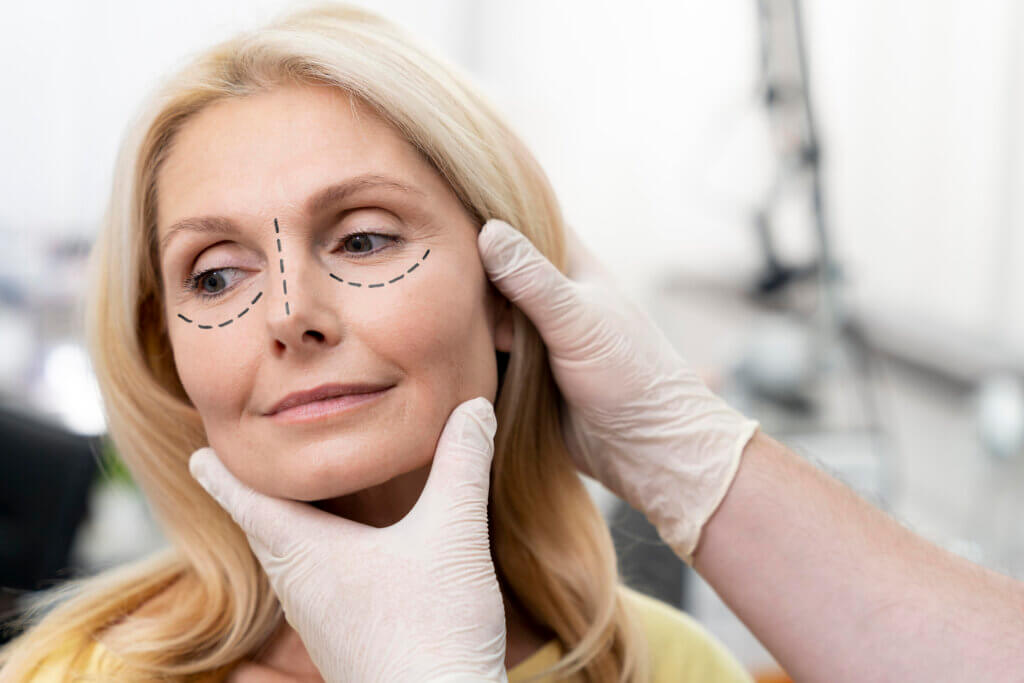
The surgeon makes incisions typically hidden within the hairline and around the ears, accessing the deeper facial planes through meticulous dissection. By releasing key ligaments and repositioning the facial tissues in their more youthful position, the procedure restores volume to the midface, softens deep folds, eliminates jowls, and redefines the jawline and neck.
Ideal Candidates for Deep Plane Facelift
Not everyone experiencing facial aging requires a deep plane facelift, but for those with advanced signs, it offers unparalleled results. Understanding whether you’re an ideal candidate helps set appropriate expectations and ensures optimal outcomes.
Signs You May Benefit from Deep Plane Technique
Patients who benefit most from deep plane facelifts typically exhibit moderate to severe aging signs. These include significant midface sagging with hollowing under the eyes and flattened cheeks, deep nasolabial folds that create prominent lines from nose to mouth, substantial jowling that obscures the jawline, pronounced marionette lines extending from mouth corners downward, and loose neck skin with visible bands or excess tissue.
Individuals in their fifties, sixties, and beyond often present with these characteristics, though chronological age is less important than the degree of structural aging present. Previous facelift patients seeking revision surgery due to recurrent sagging may also be excellent candidates for the deep plane approach.
Health and Lifestyle Considerations
Beyond visible aging signs, candidates should be in good overall health without medical conditions that impair healing. Non-smokers or those willing to quit smoking well before surgery have significantly better outcomes, as smoking compromises blood flow and healing capacity.
Realistic expectations are crucial. While deep plane facelifts produce dramatic improvements, they work with your existing facial structure rather than creating an entirely new appearance. The goal is to restore a refreshed, natural version of yourself rather than achieving someone else’s features.
Expected Results and Recovery Timeline
Understanding what to expect both immediately after surgery and during the months-long healing process helps patients prepare mentally and physically for their transformation.
Immediate Post-Operative Period
Following deep plane facelift surgery, patients typically experience swelling and bruising, which is most pronounced during the first week. Surgical dressings and drains, if used, are usually removed within the first few days. Most patients describe discomfort rather than severe pain, which is well-managed with prescribed medications.
The face will look swollen and the final result will not be immediately apparent. Initial improvements are visible once swelling begins subsiding, but patience is essential as the tissues settle into their new position over subsequent months.
Progressive Healing Stages
During weeks two through four, swelling continues decreasing substantially, and most bruising resolves. Many patients feel comfortable returning to social activities with makeup covering any remaining discoloration. The face begins revealing its new contours, though some residual swelling remains.
By three to six months post-surgery, the majority of swelling has resolved and results become increasingly natural-looking. Incision lines continue fading and becoming less noticeable. The repositioned tissues have settled, and the full benefit of the procedure becomes apparent.
At the one-year mark, final results are fully realized. Scars have matured and are typically imperceptible when properly placed and cared for. The face displays a refreshed, youthful appearance that maintains natural movement and expression.
Longevity of Results
One of the most compelling advantages of deep plane facelifts is the durability of results. Because the procedure addresses structural support at a foundational level, outcomes typically last ten to fifteen years or longer. While aging continues, patients maintain significant improvement compared to their pre-surgical appearance.
The natural-looking results mean that rather than appearing “pulled” or “done,” patients simply look like a younger, refreshed version of themselves. This authenticity is one of the hallmarks of expertly performed deep plane technique.
Advantages Over Traditional Facelift Techniques
The deep plane facelift offers several distinct benefits compared to more superficial approaches, particularly for patients with advanced aging signs.
More Natural Results
Traditional facelift methods that primarily tighten skin can create an unnatural, windswept appearance, especially when surgeon tries to achieve dramatic improvement through skin tension alone. Deep plane technique avoids this by moving the deeper structural support system, allowing the skin to drape naturally without excessive tension.
This creates results that look refreshed rather than operated on, with preservation of natural facial contours and expressions. Friends and family often notice that patients look wonderfully rested and younger, without being able to pinpoint exactly what changed.
Superior Midface Rejuvenation
The midface area, including the cheeks and lower eyelids, is particularly challenging to address with traditional facelifts, which focus primarily on the lower face and neck. Deep plane technique excels at lifting and restoring volume to the midface, softening the tear trough area and restoring youthful cheek prominence.
This comprehensive approach addresses the entire facial structure rather than isolated areas, creating harmonious, balanced rejuvenation from forehead to neck.
Reduced Risk of Visible Scarring
Because deep plane technique doesn’t rely on excessive skin tension, incisions heal with less stress, typically resulting in finer, less visible scars. The strategic placement of incisions within natural creases and hairlines further enhances concealment.
Longer-Lasting Outcomes
Superficial techniques may require revision surgery sooner as gravity continues affecting inadequately supported tissues. Deep plane facelifts address the structural cause of facial aging rather than just symptoms, delivering results that endure significantly longer.
Potential Risks and Considerations
As with any surgical procedure, deep plane facelifts carry certain risks that patients should understand before proceeding. Selecting a highly experienced, board-certified facial plastic surgeon significantly minimizes these risks.
Surgical Risks
Standard surgical risks include bleeding, infection, and adverse reactions to anesthesia, though these are relatively rare with proper patient selection and surgical technique. Nerve injury is a consideration given the deeper dissection required, but temporary numbness or weakness resolves in the vast majority of cases. Permanent nerve damage is extremely rare when performed by experienced surgeons.
Hematoma formation, or blood collection under the skin, occurs in a small percentage of patients and may require drainage. Asymmetry or unsatisfactory aesthetic results are possible, though revision surgery can address concerns if needed.
Recovery Considerations
The recovery from deep plane facelift is more extensive than non-surgical treatments or less invasive procedures. Patients must commit to several weeks of modified activity, avoiding strenuous exercise and certain movements that could compromise healing.
Social downtime typically extends two to three weeks as swelling and bruising resolve, though this varies by individual healing capacity and pain tolerance. Professional obligations may require additional time off depending on the nature of one’s work.
Choosing the Right Surgeon
The success of a deep plane facelift depends heavily on surgeon skill and experience. This advanced technique requires extensive training and expertise beyond standard facelift procedures.
Credentials and Experience
Seek a board-certified facial plastic surgeon or plastic surgeon with specific fellowship training in facial rejuvenation. Ask about the surgeon’s experience specifically with deep plane technique, including how many procedures they perform annually.
Review before-and-after photos of actual patients, paying attention to results in individuals with similar aging patterns to your own. Natural-looking outcomes without telltale signs of surgery indicate surgical excellence.
Consultation Process
During consultation, a qualified surgeon will thoroughly assess your facial anatomy, discuss your concerns and goals, and explain whether deep plane technique is appropriate for your needs. They should provide honest guidance about expected outcomes and any limitations.
The consultation is also an opportunity to assess the surgeon’s communication style, office environment, and whether you feel comfortable entrusting them with your care. Trust your instincts alongside credential verification.
Complementary Procedures
Many patients combine deep plane facelift with additional procedures to achieve comprehensive facial rejuvenation. Common complementary treatments include blepharoplasty for eyelid rejuvenation, brow lift to address forehead and upper facial aging, fat grafting to restore volume to areas requiring additional fullness, and neck liposuction for patients with excess fat deposits.
Non-surgical treatments like laser resurfacing, chemical peels, or neurotoxin injections can enhance skin quality and address fine lines that surgery doesn’t eliminate, though these are typically performed after surgical healing is complete.
Preparing for Your Deep Plane Facelift
Proper preparation enhances safety and optimizes results. Your surgeon will provide specific instructions, but general preparation includes discontinuing blood-thinning medications and supplements several weeks before surgery, arranging for someone to drive you home and assist during initial recovery days, preparing your recovery space with necessary supplies, and planning time away from work and social obligations.
Mental preparation is equally important. Understanding the recovery timeline and having realistic expectations about the healing process prevents anxiety and disappointment during the early post-operative period when swelling obscures final results.
Conclusion: Investing in Advanced Facial Rejuvenation
The deep plane facelift represents a significant investment in both financial resources and recovery time, but for individuals with advanced aging signs, it delivers transformative results that non-surgical alternatives simply cannot match. By addressing the structural foundations of facial aging, this sophisticated technique restores youthful contours, softens deep wrinkles and folds, and creates natural-looking results that endure for years.
If you’re experiencing significant jowling, midface sagging, deep nasolabial folds, or other pronounced aging signs, a consultation with an experienced facial plastic surgeon can help determine whether deep plane facelift is the right solution for achieving your aesthetic goals. With proper surgeon selection, realistic expectations, and commitment to the recovery process, this advanced procedure can turn back time and restore the confident, refreshed appearance you desire.