Skip to content

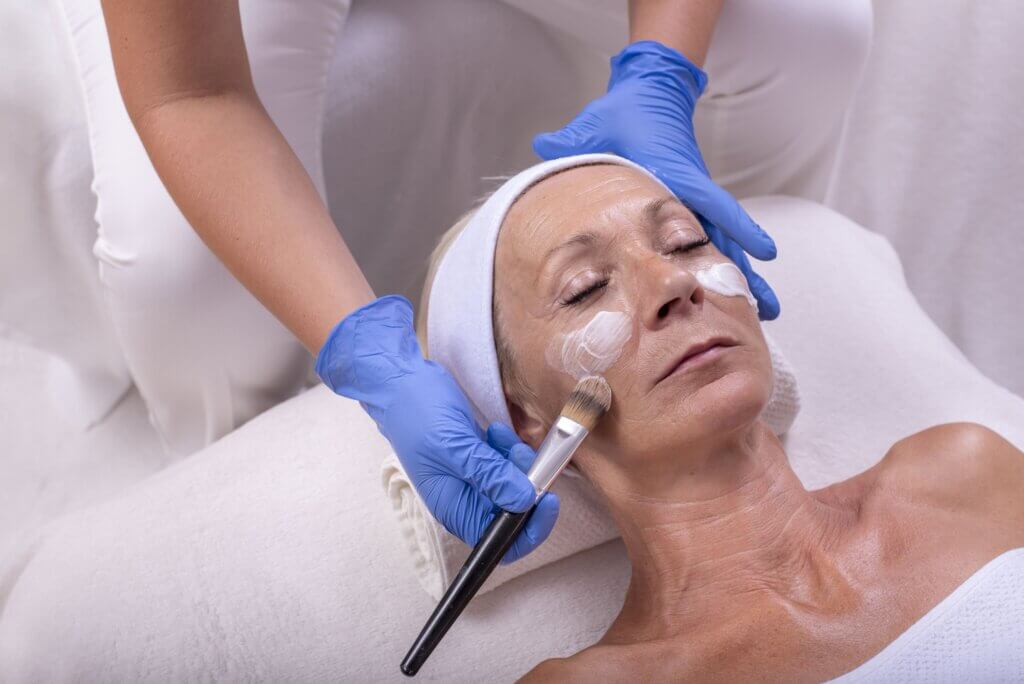
Time leaves its signature on your skin. Sun exposure, hormonal shifts, and the simple passage of years show up as brown spots, broken capillaries, uneven tone, and a dullness that no amount of foundation can fully hide. If you’ve found yourself studying these changes in the mirror and wondering whether there’s a way to turn back the clock without surgery or downtime, the PhotoFacial may be exactly what you’re looking for.
At Derm Artisan, the PhotoFacial is one of our most requested anti-aging treatments—and for good reason. It addresses multiple signs of aging in a single, comfortable session, delivering visible improvements to skin clarity, texture, and radiance. Here’s everything you need to know about how it works, what it treats, and why it has become a cornerstone of modern skin rejuvenation.
What Is a PhotoFacial?
A PhotoFacial is a non-invasive skin rejuvenation treatment that uses light energy to target and correct visible signs of aging and sun damage. The term “PhotoFacial” most commonly refers to treatments using Intense Pulsed Light (IPL), a broad-spectrum light technology that penetrates the skin without harming its surface.
Unlike a traditional laser, which delivers a single, focused wavelength, IPL emits multiple wavelengths of light at once. This makes it remarkably versatile—capable of addressing several skin concerns simultaneously. The light energy is absorbed by specific targets in the skin, primarily melanin (the pigment responsible for brown spots) and hemoglobin (the component of blood that gives redness and broken capillaries their color). Once absorbed, the light converts to heat, which breaks down these unwanted pigments and stimulates the body’s natural healing and collagen-building processes.
The result is a clearer, more even, more youthful complexion achieved without incisions, injections, or significant recovery time.
The Anti-Aging Benefits
What makes the PhotoFacial such a powerful anti-aging tool is its ability to treat multiple concerns in one appointment. Rather than booking separate sessions for pigmentation, redness, and dullness, you can tackle them all together. Here’s what a PhotoFacial can improve:
- Sun spots and age spots. Years of sun exposure lead to clusters of excess melanin that surface as brown spots, freckles, and patches of hyperpigmentation. IPL breaks up this pigment, allowing it to gradually flake away or be absorbed by the body, leaving skin noticeably clearer.
- Redness and rosacea. Facial redness, flushing, and the diffuse pinkness associated with rosacea often stem from dilated blood vessels near the skin’s surface. The PhotoFacial targets hemoglobin in these vessels, reducing their appearance and calming overall redness.
- Broken capillaries and spider veins. Those tiny red or purple threads—especially common around the nose and cheeks—respond well to IPL, which collapses the vessels so they fade from view.
- Uneven skin tone and texture. By treating a range of pigment and vascular concerns at once, the PhotoFacial restores a more uniform, balanced complexion.
- Enlarged pores and dullness. The gentle heat generated during treatment encourages collagen production, which can refine pores and give skin a fresher, more luminous quality.
- Fine lines and early signs of aging. While a PhotoFacial isn’t a wrinkle-erasing treatment on its own, the collagen stimulation it triggers helps improve skin firmness and smoothness over time, softening the look of fine lines.
The cumulative effect is skin that looks brighter, clearer, and years younger—often described by patients as a “lit-from-within” glow.
How Collagen Stimulation Works
One of the most valuable, if less visible, benefits of the PhotoFacial is its effect on collagen. Collagen is the structural protein that keeps skin plump, firm, and resilient. Production naturally declines with age, contributing to sagging, thinning, and the formation of lines.
When IPL energy penetrates the deeper layers of the skin, the controlled heat prompts fibroblasts—the cells responsible for producing collagen—to ramp up their activity. Over the weeks following treatment, this renewed collagen production gradually improves skin thickness, elasticity, and tone. This is why the results of a PhotoFacial often continue to develop for a month or more after your session, and why a series of treatments delivers progressively better outcomes.
Who Is a Good Candidate?
The PhotoFacial is well suited to a wide range of people, particularly those bothered by sun damage, age spots, redness, or an overall loss of skin clarity. It’s an excellent option if you’re looking for meaningful improvement without the downtime associated with more aggressive procedures.
Ideal candidates typically have:
- Sun-damaged skin with brown spots or freckling
- Redness, flushing, or mild-to-moderate rosacea
- Visible broken capillaries or small facial veins
- Uneven skin tone and texture
- A desire for brighter, more radiant skin
That said, the PhotoFacial isn’t right for everyone. IPL works by targeting contrast between pigment and surrounding skin, so it tends to be most effective and safest on lighter to medium skin tones. People with darker skin tones may be at higher risk of pigmentation changes and are often better served by alternative treatments. Similarly, IPL is not recommended for those who are pregnant, have very recent tans, are taking certain photosensitizing medications, or have specific skin conditions.
The best way to know whether a PhotoFacial is right for you is a professional consultation. At Derm Artisan, we assess your skin type, concerns, and history to design a treatment plan that’s both safe and effective for you.
What to Expect During Your Treatment
One of the reasons patients love the PhotoFacial is how straightforward and comfortable the experience is. Here’s a step-by-step look at what a typical session involves.
- Consultation and preparation. Your treatment begins with a discussion of your goals and an evaluation of your skin. Your skin will then be thoroughly cleansed. To protect your eyes from the bright light, you’ll be given protective eyewear.
- Application of cooling gel. A cool gel is often applied to the treatment area to help the IPL device glide smoothly and to keep your skin comfortable throughout the session.
- The light pulses. The handheld IPL device is passed over your skin, delivering pulses of light. Most patients describe the sensation as a light snap, similar to the gentle flick of a rubber band, accompanied by a brief warmth. It’s very tolerable, and no anesthesia is required.
- Duration. A full-face PhotoFacial typically takes 20 to 30 minutes, making it easy to fit into a lunch break or busy schedule. Larger areas, such as the neck, chest, or hands, may take a little longer.
The treatment is often called a “lunchtime facial” precisely because it delivers real results without derailing your day.
Recovery and Aftercare
Minimal downtime is one of the PhotoFacial’s greatest advantages. Immediately after treatment, your skin may look slightly flushed or feel warm, similar to a mild sunburn. This usually subsides within a few hours.
If you’re treating brown spots, you’ll likely notice them darken over the following days—this is a completely normal and expected part of the process. These darkened spots, sometimes described as looking like coffee grounds, will gradually flake off within one to two weeks, revealing clearer skin underneath. It’s important not to pick or scrub at them; let them shed naturally.
To protect your results and support healing, follow these aftercare guidelines:
- Wear sunscreen diligently. Sun protection is essential after any PhotoFacial. Use a broad-spectrum SPF 30 or higher every day and reapply as needed. Fresh sun exposure can undo your results and increase the risk of complications.
- Avoid direct sun and tanning. Stay out of intense sun for at least a week or two, and skip tanning beds entirely.
- Keep skin hydrated. Use a gentle moisturizer to support your skin’s recovery.
- Be gentle. Avoid harsh exfoliants, retinoids, and abrasive scrubs for a few days.
- Skip heat-heavy activities. Hold off on hot showers, saunas, and vigorous exercise for the first 24 to 48 hours, as excess heat can aggravate freshly treated skin.
Most people return to their normal routine—including makeup—the same day or the next, which is part of what makes this treatment so appealing for busy lifestyles.
How Many Treatments Will You Need?
While you may notice improvement after a single PhotoFacial, optimal results typically come from a series of treatments. Most patients benefit from three to five sessions spaced about three to four weeks apart. This allows each treatment to build on the last, progressively clearing pigment, reducing redness, and boosting collagen.
The exact number depends on your skin, the severity of your concerns, and your goals. Deeper sun damage and more pronounced redness generally require more sessions, while milder concerns may resolve more quickly.
To maintain your results over the long term, occasional maintenance treatments—often once or twice a year—help keep new sun damage and pigmentation in check. Think of it as ongoing care for skin that you want to keep looking its best.
PhotoFacial vs. Other Anti-Aging Treatments
With so many skin rejuvenation options available, it’s natural to wonder how the PhotoFacial compares. Its standout quality is versatility: few single treatments address pigmentation, redness, and dullness all at once with so little downtime.
Compared to chemical peels, the PhotoFacial targets vascular concerns like redness and broken capillaries that peels generally cannot. Compared to ablative laser resurfacing, it’s gentler and requires far less recovery, though it’s less focused on deep wrinkles and scarring. And unlike injectables, which relax muscles or add volume, the PhotoFacial works on the quality and clarity of the skin’s surface and underlying structure.
For many people, the best approach is a combination. A PhotoFacial pairs beautifully with treatments like microneedling, chemical peels, or injectables as part of a comprehensive anti-aging plan. During your consultation, we can help you understand how different treatments might work together to meet your goals.
Why Choose Derm Artisan for Your PhotoFacial
Achieving beautiful, natural-looking results from a PhotoFacial depends heavily on the skill and judgment of the provider. Proper device settings, an understanding of your unique skin, and careful technique all make the difference between an underwhelming outcome and a transformative one.
At Derm Artisan, we combine advanced technology with a genuinely personalized approach. We take the time to understand your concerns, evaluate your skin thoughtfully, and craft a treatment plan designed around your goals. Our focus is on results that look refreshed and natural—brightening and clarifying your complexion so you look like the best, most rested version of yourself.
We’re committed to your comfort and safety at every step, from your initial consultation through your aftercare and beyond. Our goal is to build a relationship that supports your skin’s health for years to come.
Ready to Rediscover Your Glow?
Aging skin doesn’t have to mean settling for spots, redness, and dullness. The PhotoFacial offers a proven, comfortable, and effective way to reveal the brighter, clearer, more youthful skin beneath the surface—with little to no downtime and results that keep improving over time.
If you’re ready to see what a PhotoFacial can do for you, we invite you to schedule a consultation at Derm Artisan. Together, we’ll create a personalized plan to help you look and feel your absolute best.
Contact Derm Artisan today to book your PhotoFacial consultation and take the first step toward radiant, rejuvenated skin.