
Living in New York City means navigating crowded subways, high-stakes meetings, summer humidity, and the constant energy of urban life. For the millions of Americans affected by hyperhidrosis—excessive sweating that goes far beyond normal temperature regulation—this lifestyle can feel especially challenging. Hyperhidrosis impacts roughly 4.8% of the U.S. population (about 15 million people), and its effects reach far beyond physical discomfort. Many experience anxiety about visible sweat marks, damp handshakes, ruined clothing, or body odor, leading to social withdrawal, reduced confidence, and diminished quality of life. Research shows the emotional burden can rival or exceed that of conditions like severe acne or psoriasis.
At Derm Artisan, our boutique med spa in Midtown Manhattan (59 East 54th Street, Suite 94), led by Nurse Practitioner Andi Assebian, we specialize in precise, patient-centered solutions for hyperhidrosis. Drawing on extensive experience with neuromodulators and advanced aesthetic technologies, we help New Yorkers reclaim comfort and confidence. This comprehensive guide covers the condition, the full range of treatment options available in NYC, and how our team personalizes care for lasting results.
Understanding Hyperhidrosis: Types, Causes, and Impact
Hyperhidrosis is characterized by sweating that exceeds the body’s needs for thermoregulation. It occurs in two main forms:
- Primary (focal) hyperhidrosis is the most common type. It typically begins in adolescence or early adulthood, often has a genetic component, and affects specific areas such as the underarms (axillary), palms (palmar), soles of the feet (plantar), or face/scalp (craniofacial). The exact cause involves overactive sympathetic nerve signals that stimulate sweat glands excessively, even without heat, exercise, or stress as triggers.
- Secondary (generalized) hyperhidrosis results from an underlying medical condition (such as hyperthyroidism, diabetes, menopause, or neurological disorders) or certain medications. It often involves more widespread sweating and requires addressing the root cause first.
The condition can significantly disrupt daily life in a city like New York—professional interactions, dating, exercise, and even simple tasks like holding papers or using public transit become sources of stress. The good news is that effective, evidence-based treatments exist, ranging from conservative options to advanced in-office procedures.
First-Line and Conservative Treatments
Treatment typically follows a stepwise approach, starting with less invasive methods:
- Clinical-strength antiperspirants: Aluminum chloride-based products (prescription or over-the-counter) are often the first recommendation. Applied at night to dry skin, they can block sweat ducts effectively for many mild-to-moderate cases.
- Iontophoresis: A device that uses a mild electrical current passed through water to temporarily disable sweat glands, commonly used for hands and feet. Sessions are done at home or in-office and require ongoing maintenance.
- Oral medications: Anticholinergics (such as glycopyrrolate) can reduce overall sweating but often cause side effects like dry mouth, blurred vision, or constipation, limiting long-term use for some patients.
- Lifestyle adjustments: Breathable clothing, moisture-wicking fabrics, stress management, and avoiding known triggers (spicy foods, caffeine) provide supportive benefits but rarely resolve moderate-to-severe cases alone.
When these approaches fall short, more targeted medical interventions become valuable.
Botox (OnabotulinumtoxinA) for Hyperhidrosis: The Gold-Standard Injectable
Botox has been FDA-approved since 2004 for severe primary axillary (underarm) hyperhidrosis that is inadequately controlled by topical agents. It is one of the most studied and trusted treatments available and is frequently used off-label for palms, feet, and face with excellent results under experienced hands.
- How it works: Botox blocks the release of acetylcholine, the neurotransmitter that signals sweat glands to produce sweat. By injecting small amounts into the affected area, it temporarily interrupts these signals. Sweat production drops dramatically in the treated zone while the rest of the body continues normal thermoregulation. Underarms contain only a small percentage of the body’s total sweat glands, so localized treatment does not impair overall temperature control.
- Clinical results: Studies show an 82–87% reduction in underarm sweating. For palmar hyperhidrosis, reductions of 80–90% are commonly reported. Effects typically begin within 2–4 days, reach full strength by about two weeks, and last an average of 4–12 months (often around 6–7 months). Many patients notice that the interval between treatments lengthens over time with repeated sessions.
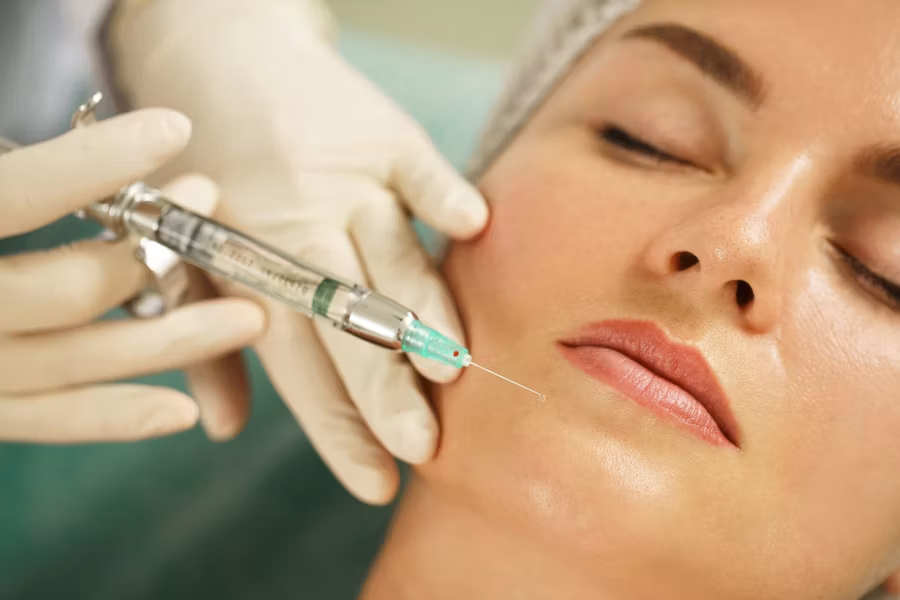
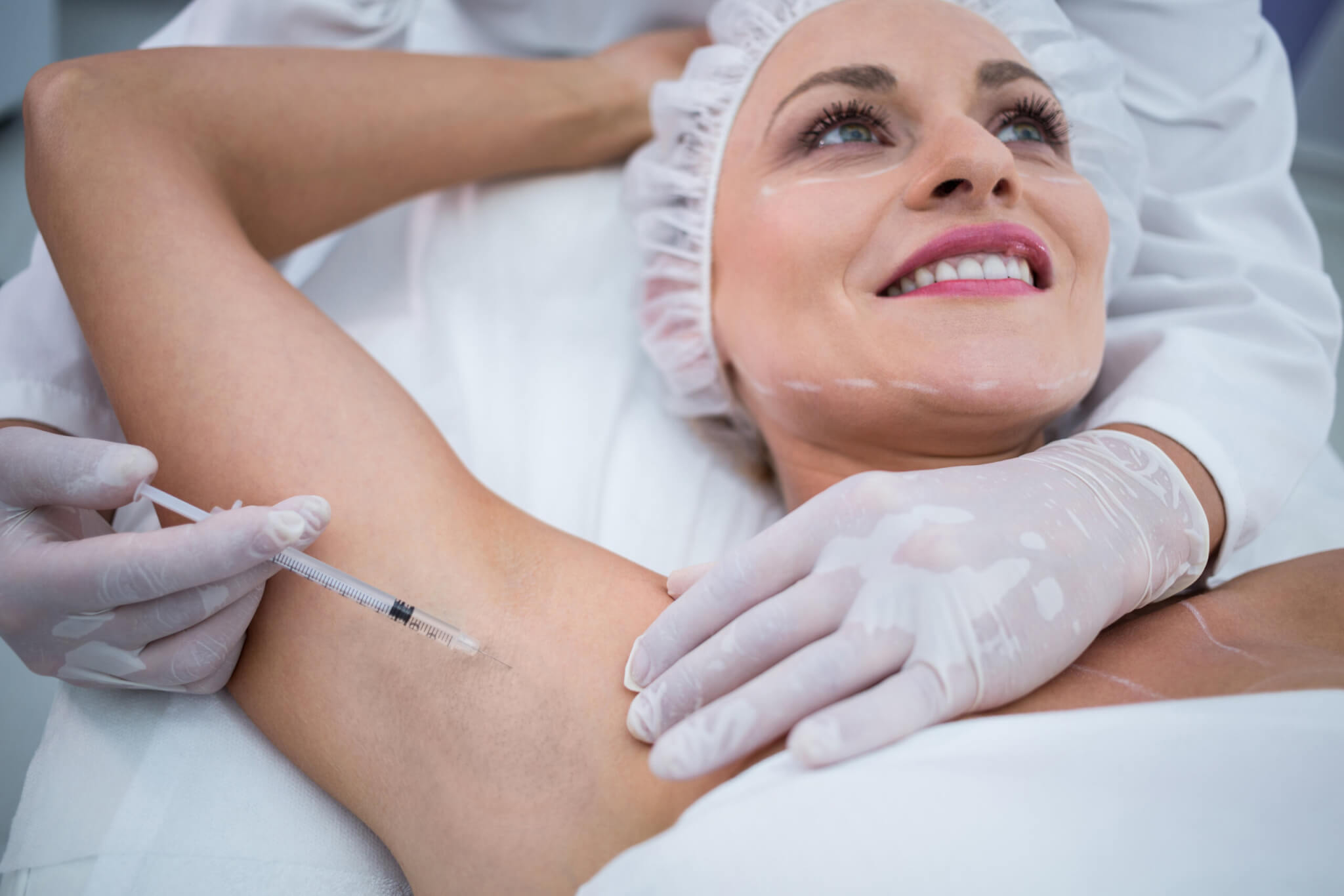
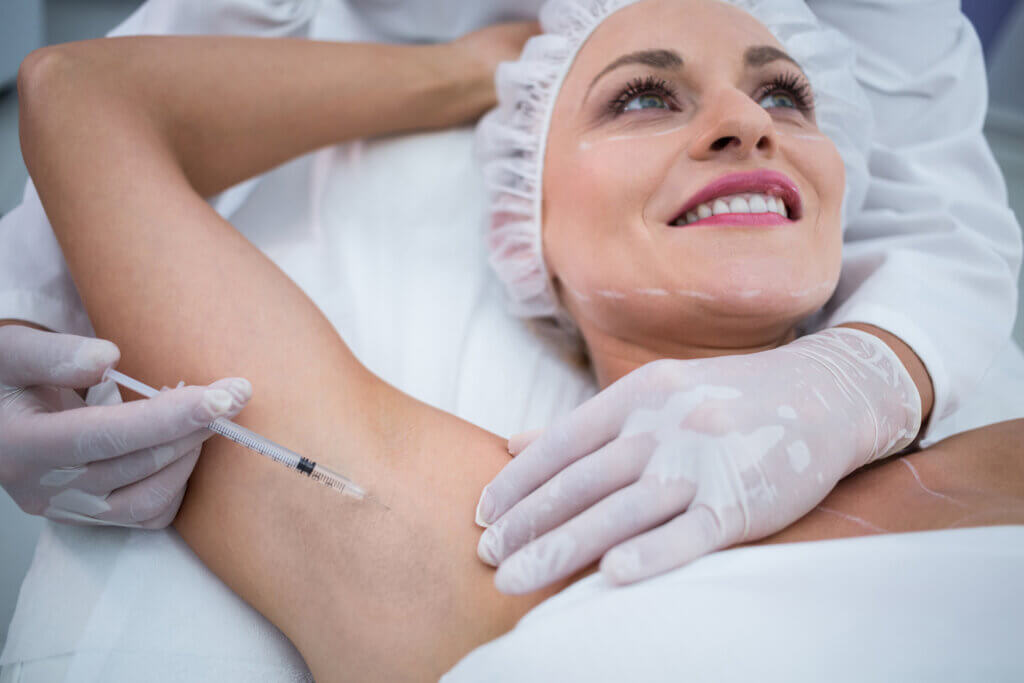
- The treatment experience at Derm Artisan: Sessions usually take 20–30 minutes. After mapping the hyperhidrotic area (often using the Minor’s iodine-starch test for precision), a series of fine-needle injections deliver the medication. Most patients describe mild pinching; topical numbing or ice can enhance comfort. There is essentially no downtime—clients return to work or daily activities immediately. For underarms, the standard dose is often 50 units per axilla (100 units total), adjusted based on individual needs.
Advantages:
- Treats multiple areas (underarms, palms, soles, face).
- Minimally invasive with rapid onset and predictable results.
- High patient satisfaction and quality-of-life improvement.
- Potential insurance coverage when medical necessity criteria are met.
- Excellent option for those who prefer temporary, reversible treatment or want to test results before permanent solutions.
Side effects: Generally mild and temporary—injection-site pain, bruising, or slight non-axillary sweating in a small percentage of patients. When used on hands, temporary hand weakness can occur but resolves. Serious complications are rare when performed by trained injectors.
At Derm Artisan, Nurse Andi’s expertise with neuromodulators ensures precise placement and natural-feeling results tailored to each client’s anatomy and lifestyle.
MiraDry: A Permanent Option for Underarm Sweating
For patients seeking a longer-term solution specifically for axillary hyperhidrosis, miraDry offers a non-surgical alternative. FDA-cleared in 2011, this technology uses controlled microwave energy to destroy sweat glands (and often odor glands) in the underarm area. Because the glands do not regenerate, results are considered permanent.
How it works: After local anesthesia, the device delivers thermal energy to a precise depth while protecting the skin surface with cooling. Sweat and odor glands are targeted and eliminated. Clinical data show an average 82% reduction in underarm sweat after one or two treatments, with many patients also reporting reduced odor and some underarm hair reduction.
The procedure: A typical session lasts about one hour. Patients may experience swelling, tenderness, or numbness for several days to a few weeks. Most return to light activities immediately and resume exercise within a few days. Most achieve desired results with one or two sessions spaced a few months apart.
Considerations: MiraDry is limited to the underarms. Upfront costs are higher than a single Botox session (often in the $2,000–$3,500 range depending on location and number of treatments) and are usually not covered by insurance. However, the absence of ongoing maintenance can make it cost-effective long-term for the right candidate.
Other Advanced and Surgical Options
For severe, treatment-resistant cases, additional options exist:
- Laser or energy-based devices (various platforms target sweat glands).
- Surgical interventions: Endoscopic thoracic sympathectomy (ETS) or sweat gland excision. These can provide permanent results but carry higher risks, including compensatory sweating (increased sweating elsewhere), and are generally reserved for the most severe cases after other modalities fail.
Most patients find excellent relief with Botox, miraDry, or a combination of conservative and in-office treatments without needing surgery.
Choosing the Right Hyperhidrosis Treatment in NYC
Selection depends on the areas affected, desired duration of results, tolerance for downtime, budget, and whether insurance may apply:
- Botox is ideal for multi-area involvement, those wanting minimal downtime, insurance-eligible cases, or patients who prefer to start with a temporary option.
- miraDry suits individuals focused solely on underarms who want permanent reduction and are comfortable with a short recovery period and higher initial investment.
- Combination or sequential approaches can also be effective.
A thorough consultation is essential to evaluate severity (often graded by the Hyperhidrosis Disease Severity Scale), map affected areas, review medical history, and discuss realistic expectations.
What to Expect at Derm Artisan
Your journey begins with a personalized consultation. We take time to understand how hyperhidrosis affects your professional and personal life in New York. Treatment plans are customized—whether that means precise Botox mapping for underarms, palms, or face, or discussion of permanent options and complementary care.
Our Midtown location offers convenient access for professionals across Manhattan, Brooklyn, and the greater metro area. Sessions fit easily into busy schedules, and our focus on care, excellence, and empowerment ensures you feel supported every step of the way.
Why Choose Derm Artisan for Hyperhidrosis Care?
Nurse Andi brings specialized injectable expertise and a holistic aesthetic perspective. We prioritize natural-feeling outcomes, safety, and education so you understand every option. Many clients also benefit from combining hyperhidrosis treatment with other services—such as skin rejuvenation or body contouring—for overall confidence. Our boutique setting provides a discreet, welcoming environment away from high-volume clinics.
Frequently Asked Questions
How long does Botox last for sweating? Typically 4–12 months, averaging about 6–7 months for underarms.
Is the treatment painful? Most describe mild discomfort; numbing options are available.
Can I treat hands and underarms in the same visit? Yes, with proper planning.
Will insurance cover it? Many plans cover Botox for axillary hyperhidrosis when topicals have failed; documentation and prior authorization may be required.
Is miraDry permanent? Yes for the treated sweat glands, as they do not regenerate.
Are there risks of compensatory sweating? Not typically with Botox or miraDry (unlike some surgical approaches).
Take the Next Step Toward Confidence
Excessive sweating does not have to dictate your choices in New York City. Modern treatments—especially expertly administered Botox and technologies like miraDry—can deliver dramatic, life-changing relief with minimal disruption to your routine.
At Derm Artisan, we are dedicated to helping you move through meetings, social events, workouts, and everyday life with greater ease and self-assurance. Schedule a consultation today by visiting dermartisan.com, calling (646) 846-7378 or (929) 379-7596, or booking online. Together, we can create a personalized plan that restores comfort and confidence.