Skip to content
High, well-defined cheekbones are one of the most universally recognized markers of facial attractiveness and youth. They create structure, catch light beautifully, support the under-eye area, and contribute to overall facial harmony. When cheek volume diminishes or projection is naturally limited, the midface can appear flat, tired, or less sculpted. Cheekbone contouring restores or enhances this key feature—most often through precise, non-surgical dermal filler placement.
At Derm Artisan in New York City, cheekbone contouring is approached as part of comprehensive non-surgical facial balancing. The goal is never an overfilled or artificial look. Instead, treatment aims for natural lift, improved proportions, and results that complement each individual’s bone structure and aesthetic goals.
This guide covers the anatomy of the cheeks, why volume and projection matter, the leading non-surgical techniques, what to expect during and after treatment, safety considerations, and how professional contouring fits into a broader facial optimization plan.
Understanding Cheekbone Anatomy and Aesthetics
The cheekbones (zygomatic bones) form the structural foundation of the midface. Projection and height vary by genetics, ethnicity, age, and soft-tissue support. High cheekbones typically feature more anterior and lateral projection, creating the classic “ogee curve”—an elegant S-shaped contour that runs from the temple through the cheek and into the lower face.
With age, several changes occur:
- Fat pads in the midface descend and lose volume.
- Bone density and projection can subtly decrease.
- Skin elasticity declines, allowing tissue to sag over the underlying structure.
- The transition between the lower eyelid and cheek becomes more abrupt, contributing to under-eye hollows and nasolabial folds.
The result is a flatter midface, heavier lower face appearance, and loss of the youthful light-reflecting contour. Even younger patients with naturally lower or less projected cheekbones often seek enhancement for better facial balance and definition.
Cheekbone contouring addresses these issues by strategically restoring volume and support along the zygomatic arch and eminence. When performed correctly, it can lift the midface, soften nasolabial folds indirectly, improve under-eye transitions, and create a more sculpted profile without surgery.
Non-Surgical Cheekbone Contouring with Dermal Fillers
The most popular and versatile method of cheekbone contouring is the use of injectable dermal fillers. These treatments are performed in-office, require minimal downtime, and deliver immediate results that can be refined over time.
Hyaluronic Acid (HA) Fillers
HA fillers such as Juvéderm Voluma, Restylane Lyft, and similar structural products are the workhorses of modern cheek enhancement. They are firm enough to provide lift and projection when placed deep (often on or near the bone) yet integrate naturally with tissue. Because HA fillers are reversible with hyaluronidase, they offer an excellent safety net for first-time patients or those seeking adjustable results.
Typical longevity for structural cheek fillers ranges from 12 to 18 months, depending on the product, placement depth, individual metabolism, and lifestyle factors.
Biostimulatory Fillers
Products such as Sculptra (poly-L-lactic acid) and Radiesse (calcium hydroxylapatite) work differently. Rather than simply occupying space, they stimulate the body’s own collagen production. Results develop gradually over several weeks to months and can last longer than traditional HA fillers in many patients. These options suit individuals seeking progressive, natural-looking volume restoration or those who prefer less frequent maintenance.
Technique and Placement
Experienced injectors map the face carefully, often prioritizing lateral support along the zygomatic arch before addressing more medial areas. Deep placement (supraperiosteal or deep fat compartments) provides structural lift while minimizing the risk of a puffy or unnatural appearance. Cannulas are frequently preferred for broader areas because their blunt tips reduce the chance of vascular injury and bruising compared with sharp needles in certain planes.
Volumes vary widely. Many patients achieve meaningful improvement with 1–2 syringes total (sometimes more for significant volume loss or desired projection). Treatment is customized during consultation based on facial assessment, goals, and existing anatomy.
What to Expect During and After Treatment
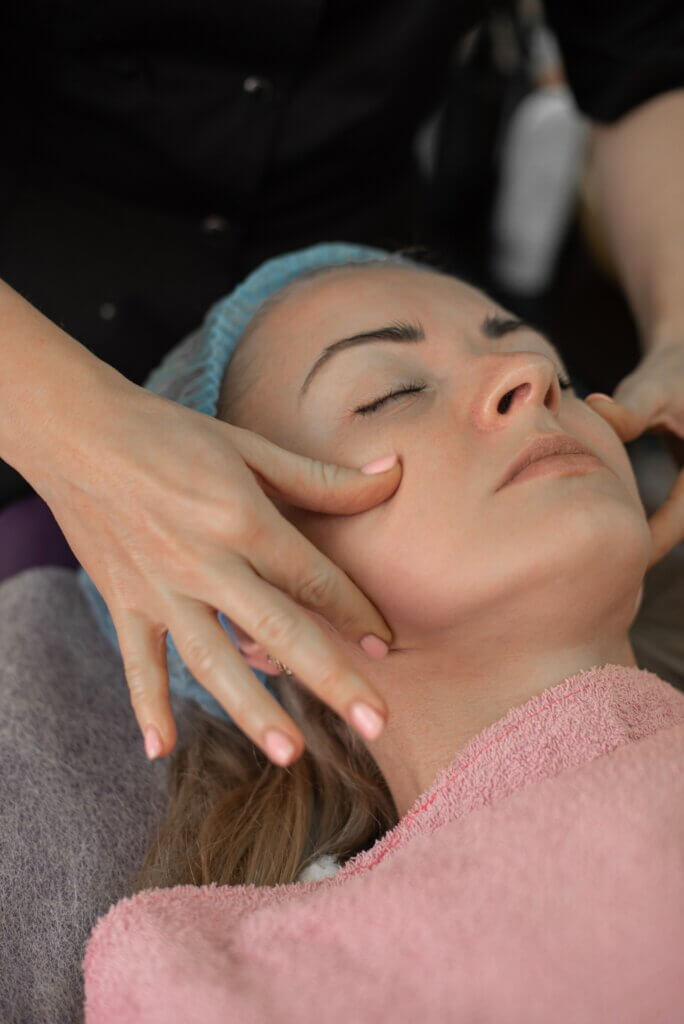
A typical cheekbone contouring session begins with a thorough consultation and facial analysis. Photos from multiple angles help plan symmetry and proportion. The skin is cleansed, and topical anesthetic or product containing lidocaine is used for comfort.
Injections are performed with the patient upright or semi-reclined so the provider can continuously assess the emerging contour. The process usually takes 20–40 minutes. Mild swelling, redness, or bruising can occur and typically resolve within a few days to a week. Most people return to normal activities the same day or the next, avoiding strenuous exercise, excessive heat, and alcohol for 24–48 hours.
Results are visible immediately with HA fillers, though final settling occurs over 1–2 weeks as any swelling subsides and the product integrates. Biostimulatory treatments show progressive improvement over subsequent months.
Benefits of Non-Surgical Cheekbone Contouring
- Restores youthful midface volume and projection
- Creates or enhances the ogee curve for better light reflection
- Softens the appearance of nasolabial folds and under-eye hollows through structural support
- Improves overall facial balance and harmony
- Minimal downtime compared with surgery
- Adjustable and, in the case of HA fillers, reversible
- Can be combined with other treatments for comprehensive results
For men seeking more angular definition and women aiming for lifted, refined contours, the approach is tailored accordingly. Subtle enhancement often yields the most natural and satisfying outcomes.
Safety Considerations and Choosing an Experienced Provider
The midface contains important vascular structures, including branches near the infraorbital foramen. Proper anatomical knowledge, slow injection technique, appropriate product selection, and readiness to manage rare complications are essential. Vascular occlusion, while uncommon in skilled hands, is a serious risk that requires immediate recognition and treatment with hyaluronidase when HA fillers are used.
Choosing a medical aesthetics practice with experienced injectors who understand facial anatomy, aging patterns, and aesthetic proportions significantly reduces risk and improves outcomes. At Derm Artisan, cheek filler is offered as part of a broader facial balancing philosophy rather than isolated “cheek augmentation.” This ensures the result complements the jawline, chin, temples, and overall proportions.
Surgical Alternatives and When They May Be Considered
While non-surgical contouring meets the needs of the majority of patients, surgical options exist for those seeking permanent structural change:
- Cheek implants place solid, biocompatible implants over the zygomatic bone for lasting projection.
- Fat grafting transfers the patient’s own fat to the midface for natural, potentially long-term volume.
- Zygoma reduction is occasionally performed in patients with overly prominent cheekbones who desire a softer contour (more common in certain aesthetic preferences).
- Buccal fat removal can reduce lower-cheek fullness to accentuate the cheekbone area in suitable candidates.
Surgery involves greater downtime, higher cost, and irreversibility in many cases. Most patients begin with fillers to preview the effect of increased projection before considering permanent solutions.
Combining Cheek Contouring with Other Treatments
Cheekbone enhancement frequently forms the foundation of a full facial balancing plan. Complementary treatments may include:
- Jawline and chin definition for lower-face structure
- Temple volume restoration for upper-face harmony
- Skin-quality treatments such as SkinVive, chemical peels, or energy-based devices for surface refinement
- Neuromodulators to soften dynamic lines or refine masseter bulk
- Collagen-stimulating procedures (Sculptra, RF microneedling, Ultherapy) for longer-term tissue support
A staged approach allows each layer—structure, volume, and skin quality—to be optimized without over-treatment in any single session.
Who Is a Good Candidate?
Ideal candidates include adults with:
- Age-related midface volume loss
- Naturally flat or under-projected cheekbones
- Desire for improved facial definition and balance
- Realistic expectations and good overall health
- Preference for non-surgical, reversible enhancement
Patients with significant skin laxity may benefit from combining fillers with skin-tightening modalities. Those with active infections, certain medical conditions, or unrealistic goals are better served by alternative approaches or deferred treatment.
Achieving Natural, Long-Lasting Results
The most successful cheekbone contouring is nearly invisible as “work.” Friends and colleagues notice that you look rested, sculpted, or more defined without being able to pinpoint exactly why. This outcome depends on conservative volumes, precise placement along natural anatomical landmarks, and an injector who prioritizes facial harmony over maximum volume.
Maintenance typically involves touch-ups every 12–18 months for HA products, or less frequent sessions with biostimulators. Lifestyle factors—sun protection, stable weight, good skincare, and avoiding excessive facial manipulation—help prolong results.
Next Steps at Derm Artisan
Cheekbone contouring is one of the highest-impact non-surgical treatments available for facial aesthetics. When performed with anatomical precision and an eye for balance, it restores youthful structure, enhances natural beauty, and supports the entire face.
If you are considering defined cheekbones, midface lift, or comprehensive facial balancing, a personalized consultation is the essential first step. During your visit at Derm Artisan, facial structure, volume distribution, skin quality, and aesthetic goals are carefully assessed. A customized plan—whether focused solely on the cheeks or integrated with other areas—is then developed to deliver natural, harmonious results.
Defined cheekbones are not about changing who you are. They are about revealing and refining the structure that already exists, supporting the face as it ages, and creating the kind of quiet confidence that comes from looking like the best version of yourself.