Skip to content

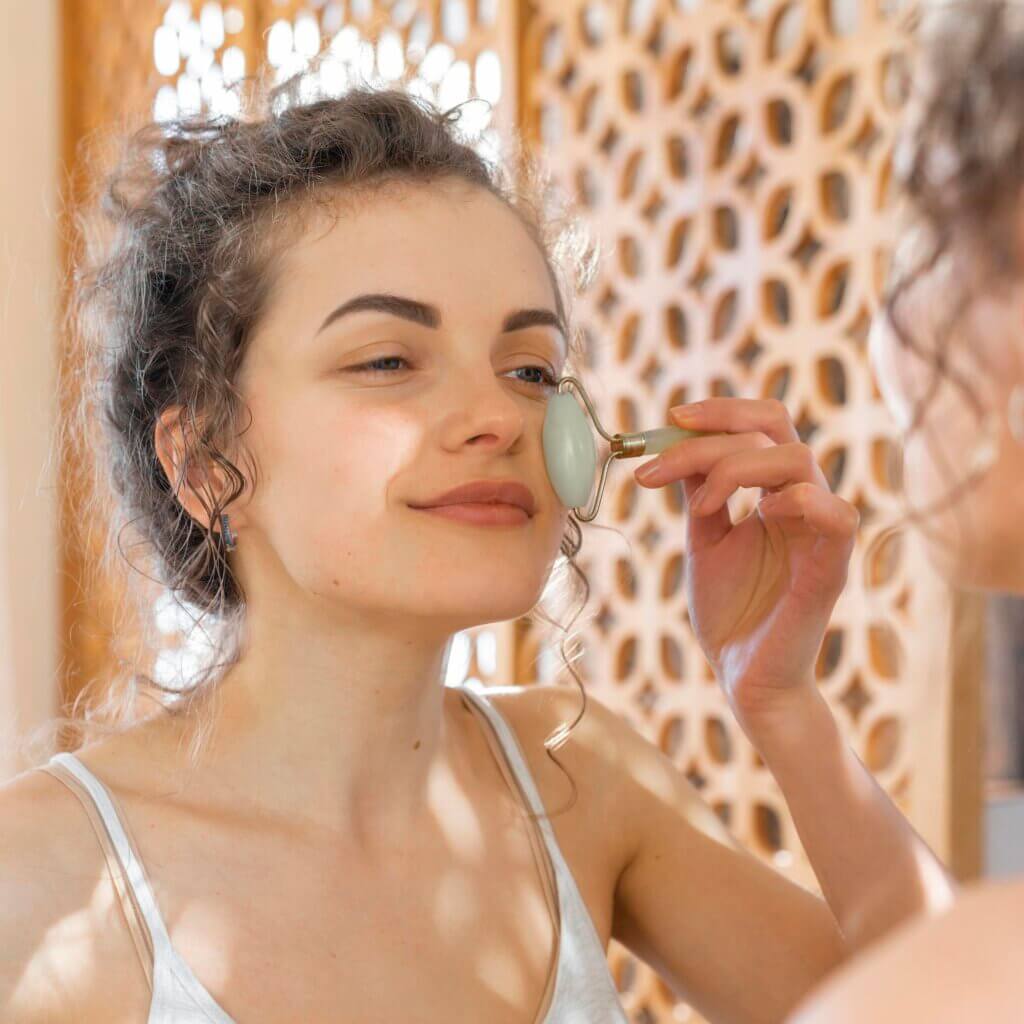
Lookmaxxing centers on deliberate, evidence-based steps to optimize appearance. Clear, even-toned, firm skin ranks among the highest-ROI changes because it frames every other feature. Yet many people sabotage results by stacking potent actives nightly—retinoids, acids, vitamin C—until the barrier breaks down into redness, flaking, and rebound dullness.
Skin cycling solves that problem. Coined and popularized by board-certified dermatologist Dr. Whitney Bowe, it is a structured four-night rotation that delivers the benefits of chemical exfoliation and retinoids while protecting the skin barrier with dedicated recovery nights. For anyone serious about lookmaxxing, it offers a sustainable framework that improves texture, tone, and resilience without the irritation that derails progress.
This guide explains exactly what skin cycling is, why it aligns with lookmaxxing goals, how to run the classic cycle, how to customize it, and when professional treatments at a practice such as Derm Artisan can accelerate results.
What Is Skin Cycling?
Skin cycling is a nighttime-only protocol that alternates active nights with recovery nights. The standard cycle lasts four nights and then repeats:
- Night 1: Exfoliation
- Night 2: Retinoid
- Nights 3 and 4: Recovery (barrier repair and hydration only)
Every night begins with a gentle cleanse. The morning routine stays consistent: cleanse, optional antioxidant serum, moisturizer, and broad-spectrum SPF 30 or higher. Actives that increase photosensitivity stay out of daytime use.
The logic is straightforward. Chemical exfoliants (AHAs, BHAs, PHAs) remove dead cells and clear the path for better penetration. Retinoids accelerate cell turnover, stimulate collagen, and regulate oil and pigmentation. Using both on consecutive nights without rest risks barrier damage. Two recovery nights restore lipids, reduce inflammation, and let the skin adapt. Over weeks this produces smoother texture, more even tone, and a healthier glow with far less irritation than daily active use.
Dermatologists have long recommended spacing potent ingredients. Skin cycling simply formalizes the advice into an easy-to-follow schedule that beginners and intermediate users can stick to.
Why Skin Cycling Belongs in a Lookmaxxing Protocol
Lookmaxxing prioritizes measurable improvements in facial aesthetics: pore clarity, reduced hyperpigmentation, firmer skin, minimized fine lines, and that sought-after “glass skin” luminosity. These outcomes depend on consistent cellular turnover and an intact barrier. Compromised barrier function produces the opposite—dullness, sensitivity, and inflammation that makes every other intervention less effective.
Skin cycling supports lookmaxxing goals in several concrete ways:
- Texture refinement. Regular, controlled exfoliation plus retinoid-driven renewal softens rough patches and makes pores appear smaller.
- Tone evening. Retinoids and acids help fade post-inflammatory hyperpigmentation and mild melasma when used consistently and paired with daily SPF.
- Collagen support. Retinoids remain among the best-studied topical agents for increasing dermal collagen density over months. Spacing them reduces the peeling phase that causes many people to quit.
- Barrier resilience. Recovery nights focused on ceramides, cholesterol, and fatty acids rebuild the lipid matrix so skin handles future actives and environmental stress better.
- Reduced downtime. Irritation from over-exfoliation or aggressive retinoid use can force weeks of recovery. Cycling prevents that setback.
For men and women in high-stress urban environments (pollution, late nights, fluctuating humidity), the recovery nights are especially valuable. They counteract the barrier insults that accumulate from daily life.
The Classic Four-Night Skin Cycling Routine
Follow this sequence at night only. Adjust concentrations and product types according to your tolerance.
Night 1 – Exfoliation
Cleanse with a non-stripping, pH-balanced cleanser. Pat dry. Apply a leave-on chemical exfoliant suited to your skin type:
- Oily or acne-prone: 2% salicylic acid (BHA)
- Dry or mature: 5–10% lactic or glycolic acid (AHA)
- Sensitive: polyhydroxy acids (PHAs) or lower-strength mandelic acid
Wait 5–10 minutes, then apply a simple moisturizer. Avoid layering additional actives. Exfoliation removes the stratum corneum debris that would otherwise block the retinoid the following night.
Night 2 – Retinoid
Cleanse. Apply a pea-sized amount of retinoid to dry skin. Options range from over-the-counter retinol or retinaldehyde (start low, 0.25–0.5%) to prescription tretinoin or adapalene for those already tolerant.
Many beginners use the “sandwich” method: thin moisturizer, retinoid, then another layer of moisturizer. This buffers irritation while still delivering results. Do not combine with acids or vitamin C on this night.
Nights 3 and 4 – Recovery
Cleanse gently. Apply a hydrating serum containing hyaluronic acid or glycerin on slightly damp skin, followed by a ceramide-rich moisturizer. Optional additions include niacinamide (for barrier support and oil regulation) or centella asiatica for calming. No acids, no retinoids, no essential oils or fragrance that could irritate.
These two nights allow the barrier lipids to replenish and inflammation to subside. They are not “do-nothing” nights—they actively repair.
Repeat the cycle. Most people notice improved softness and radiance within two to four cycles. Visible changes in fine lines, pigmentation, and firmness typically require eight to twelve weeks of consistency, the same timeline expected from any retinoid regimen.
Morning Routine and Non-Negotiables
Skin cycling lives in the evening. Morning remains simple and protective:
- Gentle cleanse
- Optional antioxidant (vitamin C or niacinamide)
- Moisturizer if needed
- Broad-spectrum SPF 30+ every single day, reapplied when outdoors
Retinoids and AHAs increase UV sensitivity. Skipping sunscreen undoes progress and can worsen pigmentation—the opposite of lookmaxxing. A mineral or hybrid SPF that sits well under makeup or on bare skin is ideal.
Customizing Skin Cycling by Skin Type and Goals
The four-night template is flexible.
Sensitive or reactive skin
Extend recovery to three nights or use milder actives (PHA instead of glycolic, retinaldehyde instead of tretinoin). Patch-test everything.
Acne-prone skin
Prioritize BHA on Night 1 and a retinoid known for comedolytic effects (adapalene or tretinoin). Keep recovery products non-comedogenic.
Dry or mature skin
Favor lactic acid or lower-strength glycolic on Night 1 and richer ceramide moisturizers on recovery nights. Consider adding a peptide serum during recovery for additional support.
Hyperpigmentation focus
After the barrier stabilizes, some people introduce a gentle brightening agent (tranexamic acid or azelaic acid) on one recovery night, but only if no irritation occurs. SPF remains critical.
Advanced users
Once fully tolerant, some shorten recovery to one night or increase retinoid strength. Never abandon recovery entirely; the barrier still needs support.
Track progress with consistent lighting photos every two weeks. Adjust frequency or strength based on how the skin actually responds, not on social-media timelines.
Common Mistakes That Undermine Results
- Using physical scrubs instead of chemical exfoliants (mechanical abrasion can worsen barrier damage).
- Layering multiple actives on the same night.
- Skipping moisturizer on retinoid night.
- Applying retinoid to damp skin (increases penetration and irritation risk for beginners).
- Neglecting sunscreen.
- Expecting overnight transformation and quitting after two weeks.
- Starting with the highest-strength prescription retinoid without building tolerance.
If stinging, prolonged redness, or flaking appears, pause actives and focus solely on barrier repair for a full week before restarting at lower intensity.
How Long Until You See Lookmaxxing Results?
Subtle improvements in glow and softness often appear after one to two weeks. Meaningful changes in texture, pore appearance, and mild pigmentation typically require six to twelve weeks of consistent cycling. Collagen-related firmness continues to improve for months. Patience and consistency outperform aggressive daily use that leads to stop-start irritation.
When Professional Treatments Amplify Skin Cycling
Home cycling builds an excellent foundation. For faster or more dramatic optimization—especially deeper acne scarring, stubborn melasma, significant photodamage, or loss of elasticity—professional modalities complement the routine.
At a medical aesthetics practice such as Derm Artisan in New York City, options include carefully timed chemical peels, laser resurfacing, RF microneedling, or customized prescription regimens that fit around a cycling schedule. A dermatologist or experienced provider can assess barrier status, adjust retinoid strength, and sequence in-office treatments so recovery nights align with post-procedure healing. This medical approach keeps the lookmaxxing process safer and more efficient than pure trial-and-error at home.
Putting It All Together
Skin cycling is not another fleeting trend. It is a practical system that respects skin biology while delivering the active ingredients proven to improve appearance. By alternating exfoliation, retinoid stimulation, and deliberate recovery, you gain clearer texture, more even tone, and greater resilience—core pillars of any serious lookmaxxing effort.
Start with the classic four-night cycle using products appropriate for your current tolerance. Protect the results with daily SPF. Photograph progress under the same conditions. After eight weeks of consistency, evaluate whether further customization or professional support is warranted.
Healthy, optimized skin is not achieved by piling on every serum at once. It is achieved by strategic use of proven tools and enough recovery time for the skin to respond. Skin cycling provides that structure. Implemented correctly, it becomes one of the highest-leverage, lowest-risk components of a long-term lookmaxxing protocol.
For personalized guidance, product recommendations, or to explore how in-office treatments can accelerate your results, consult a qualified provider who understands both evidence-based skincare and aesthetic optimization.